

Driving Efficiency In Automotive & Manufacturing Supply Chain With Just-In-Time (JIT) & Just-In-Sequence (JIS)
Today’s manufacturers are under constant pressure to deliver faster, while also facing shorter product cycles and tightening margins. Delays or too much stock wastes money and space. Seamless coordination is key, and auto logistics transport becomes the link between suppliers, plants and dealers. JIT eliminates idle inventory, and JIS allows parts to come in the right sequence. This blog is about how strong networks, disciplined plants, smart transport and capable partners translate these methods into consistent daily practice.
JIT And JIS In Simple Terms
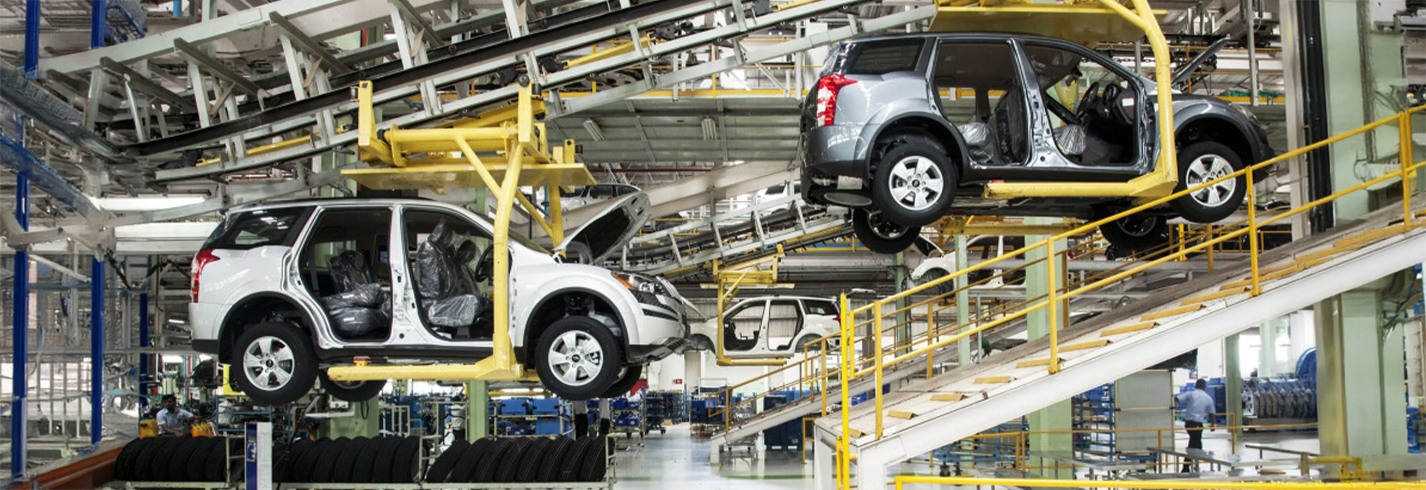
JIT means receiving parts at the very moment they are needed on the assembly line. No early arrivals, no excess piles. It frees space and cuts waste. JIT-based production can reduce inventory holding costs by up to 30% simply by eliminating excess stock from the shopfloor.
JIS pushes the idea further. It delivers components in the exact order of fitment, so the operator does not need to search or sort. These methods began in automotive plants but now serve machinery and equipment makers too. However, both depend on reliable suppliers, steady material flow, and strong support from automotive logistics companies in India that can maintain strict timelines.
Foundation Blocks You Must Get Right
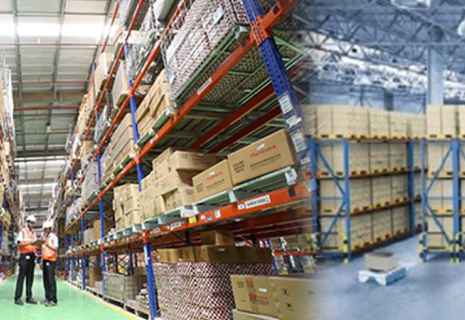
Success with JIT and JIS starts with careful planning. The components are picked up and transported through a milk run. Set the right network structure, deciding how Product Distribution Centres (PDCs) will feed your manufacturing plant. Fix safety stock rules for manufacturing of every SKU. Lead times from vendors must be well-measured and aligned. Collection must be frequent and disciplined.
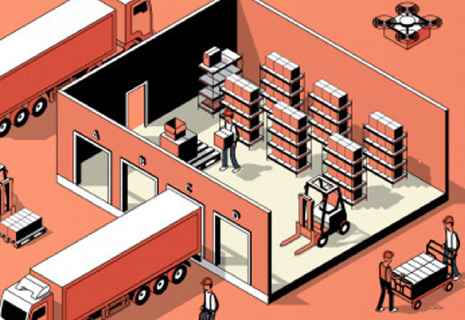
Milk runs pick up the components, feed the assembly line in manufacturing plants, or store the components in nearby warehouses, depending on the requirements. In the plant, line feeding should be barcode-driven. Scanned entries, kitting, and tugger routes help avoid confusion. Sequencing racks must be checked before loading. Without these basic blocks, even the best model can break.
Transport And Mid-Mile That Keep Takt Time Honest
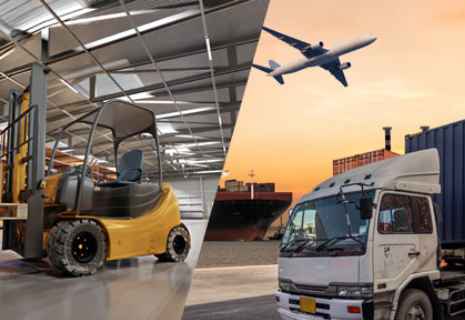
Stable movement between DCs and plants ensures the production line never stops. Planned surface linehaul keeps rhythm across all corridors. Urgent supplies may move by air, but only as part of a controlled network, not as random emergency runs.
When tiny parts or kits need speed, auto transport services help maintain flow. Milk runs and strict dock appointment systems reduce waiting and damage. Every move must be predictable. Consistency is more valuable than raw speed.
Tech and Control-Tower Visibility
Technology allows the entire chain to be seen. Transparency can be created through Advance Shipment Notices (ASN), dock slotting tools, live tracking and electronic Kanban. Integration of these systems with ERP and WMS can prevent this mismatch. Analytics can pinpoint which SKUs should be strategically moved closer to the plant before the spikes. Planners can instantly balance stock, cost and risk with inbound, in-plant and outbound legs displayed in one window.
Getting Started Without Disruption
There is no need to overhaul everything on day one. Start with one SKU family and one lane. Define takt timing, acceptable buffers, and escalation paths. Inform vendors about packaging, labelling, and pickup windows.
Measure only key metrics like line delivery accuracy, sequence match, damage rates, and cross-dock dwell. Once the model is stable, extend to nearby plants or dealer routes. Controlled scaling protects operations while bringing speed.
Case Study
Mahindra Logistics is the perfect third-party logistics partner for those willing to drive efficiency in automotive and manufacturing supply chains with JIT and JIS.
We supported a leading commercial vehicle manufacturer serving Indian terrains with trucks, buses, and chassis. As part of our in-plant logistics, we managed over 350 daily vehicle movements and more than 2,000 pallet spots covering 18,000 SKUs.
Through audits and process improvements, we streamlined their line feeding operations. Storage was optimised using High Bay Racking, MSRS, and Kardex systems. Robotics were deployed for feeding lanes, while BOX IT and Smart Eye tools improved bin control and kitting accuracy.
Results were clear:
- Inventory accuracy reached 99%
- Service level performance touched 98%
With structured planning and controlled execution, we helped them maintain speed without increasing stock.
Conclusion
JIT and JIS deliver the best results when transport, plant routines, and supplier schedules align perfectly. With the right partner, production uptime can be protected while keeping capital light. Speak with the Mahindra Logistics Automotive and Manufacturing team to co-design a pilot, align milk runs, and build a scalable plan with full visibility from suppliers to lines and dealers. Write to us at enquiries@mahindralogistics.com.