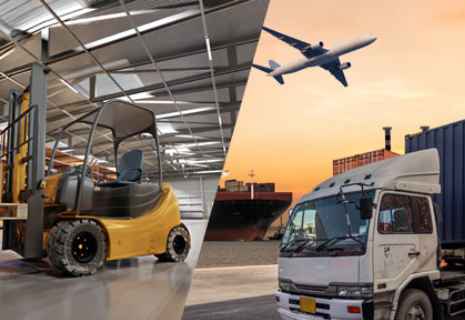


Think of a scenario where it’s 9 a.m. on a Monday, and your sales team is already pinging the warehouse about a sudden spike in orders from the East. By noon, the finance desk wants invoice status, customer care is chasing two returns, and a transporter calls to say traffic on the ring road is crawling. This shows why the warehousing industry is expected to reach USD 1.73 trillion by 2030.
Moments like these have become routine in a digital-first world where everyone expects answers and products, right now. The only way to keep pace is to see the whole game board at once. Integrated warehousing & distribution, strengthened by modern automation, turns that wish into an everyday reality.
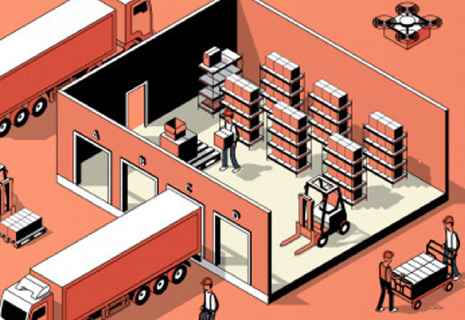
Integrated warehousing and distribution (IWD) treats inventory storage and outbound movement as a single ecosystem rather than two sequential functions. The Warehouse Management System (WMS) and Transport Management System (TMS) feed each other live data and, in turn, sync with the client’s ERP for billing, sales, and returns.
When you opt for integrated logistics, the same dashboard shows how many pallets sit on Rack 17, how many are already on a trailer, and how many invoices remain open. This chain of custody provides one window of accountability and one coordinated set of KPIs, reducing blind spots that once caused mis-ships, hidden dwell time, and needless hand-offs.
Smart hardware and cloud software are the connective tissue of integrated warehousing and transportation. It’s crucial to note that the e-commerce order lines in India have jumped more than 3-fold in five years. Only an always-on, sensor-rich network can keep pace.
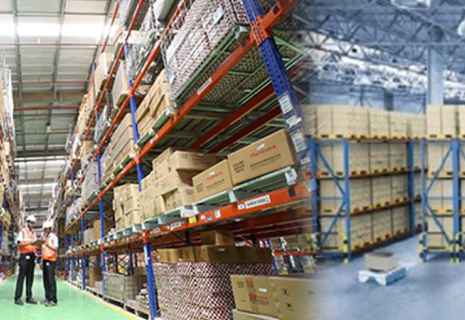
Modern WMS platforms update every put-away, pick, or transfer with barcode scanners and RFID (Radio Frequency Identification) readers. Managers know not just “how much” stock exists, but exactly “where” it rests, aisle, shelf, even tote position.
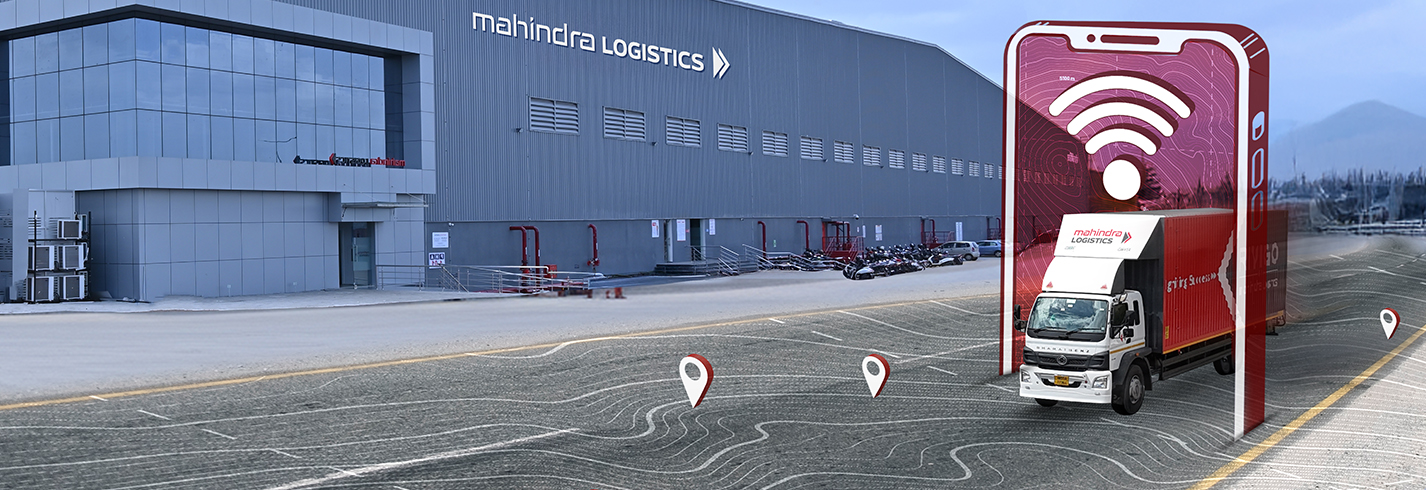
Centralised, role-based portals give planners, suppliers, and customers the same source of truth. Whether viewing on a phone or control-tower screen, teams see inventory status, truck ETAs, and pending returns at one glance.
Cold-chain boxes ping temperature readings every few minutes; shock sensors on racks whistle if a forklift bumps the steel uprights. Instead of reacting to damage, you prevent it.
Pick-to-light racks, voice picking headsets, and autonomous mobile robots save minutes on each order line while boosting accuracy. Fewer touches also drive lower damage to the consignments.
AI-driven TMS engines create the best blend of loads, lanes, and modes. They shorten empty miles, plot multi-modal options, and push real-time instructions to drivers’ apps for safer, faster trips.
Sales velocity meets safety stock in the WMS, firing a purchase order long before anyone remembers to click “reorder.” Shelves stay full but never bloated.
Integrated logistics management ensures you gain end-to-end transparency: inbound receipts, put-away, pick, load, transit, delivery, and returns all glow green or amber, on the same screen. Decision-makers move from firefighting to forecasting because data arrives in real time. Live tracking links and faster cycle times push OTIF (on-time-in-full) toward the ideal mark.
Inside the four walls, automated checks cut paperwork and human error, trimming the total cost of ownership. As the system plans multi-modal moves and D2R deliveries in electric vans, each shipment carries a lighter carbon footprint. Visibility isn’t just about seeing; it’s about saving time, money, and emissions.
Mahindra Logistics’ warehousing solutions have redefined efficiency and accuracy across industries by leveraging technology, automation, and workforce innovation. In the cosmetics sector, the Delhi NCR facility with 6003 pallet positions and 3350 shelving locations has transformed operations by implementing SKU bin consolidation, daily MIS tracking, and ongoing robotic picking initiatives. This has enabled a 99.9% fill rate, same-day inventorying, and an SLA of 98.5%.
Similarly, in FMCG supply chains, Mahindra Logistics has introduced long-span racking systems and temperature-controlled storage, coupled with automation tools like picker trolleys, to deliver 100% inventory accuracy and reduce vehicle detention by 50%.
For large-scale FMCG distribution in the West and Madhya Pradesh, the hybrid storage systems and automation tools such as Reach Trucks and BOPT streamlined throughput of 15,000 tonnes monthly while achieving a 99.8% on-time delivery rate. These case studies highlight how technology-driven warehousing empowers businesses to scale seamlessly while optimising cost, accuracy, and customer satisfaction.
1. Chain of Custody: One window of accountability means fewer “who-owns-this?” debates. Integrated KPIs track quality, returns, and dwell time across the same scoreboard.
2. Enhanced Service Levels: Inventory accuracy is always high, and flexible cut-off times let late orders catch today’s truck, and a nationwide network feeds multi-modal lanes from rail to road to coastal.
3. Reduction in TCO: Shared visibility trims purchase costs by up to 7 per cent, compresses buffer stock, and whittles overheads.
4. Sustainable Logistics: Electric vans handle D2R routes; solar panels power more than four million square feet of roof. Fewer touches equal fewer emissions, too.
Ask about scale first: can the WMS and TMS adapt to growing volumes? Peek under the hood for IoT credentials and automation pedigree. Look for proof of dashboards where you, not just the 3PL, can watch performance roll in live.
A true partner should offer multi-client flexibility for seasonal spikes and dedicated setups where your brand needs white-glove treatment. Most importantly, insist on one face to the customer from forklift pick to doorstep drop; that’s where the effectiveness of integrated warehousing distribution KPIs really shows.
Unified, digital warehousing and distribution has moved from buzzword to baseline. Companies that can see every pallet and every mile in the same moment will out-deliver, out-save, and out-learn their competition.
Ready to see every pallet and every mile in real time? Explore integrated logistics solutions by Mahindra Logistics that turn the supply chain into a single, smart, and sustainable value network. To get in touch, drop an email at enquiries@mahindralogistics.com.