

The global B2B supply chain and logistics market is forecast to reach USD 2548.43 billion in 2026. B2B logistics used to be evaluated mainly on how quickly a shipment could be delivered. That expectation is no longer sufficient for businesses that run tight production plans and lean inventories. When delivery timelines vary from day to day, teams lose the ability to plan
manpower, receiving capacity, and downstream dispatch with confidence.
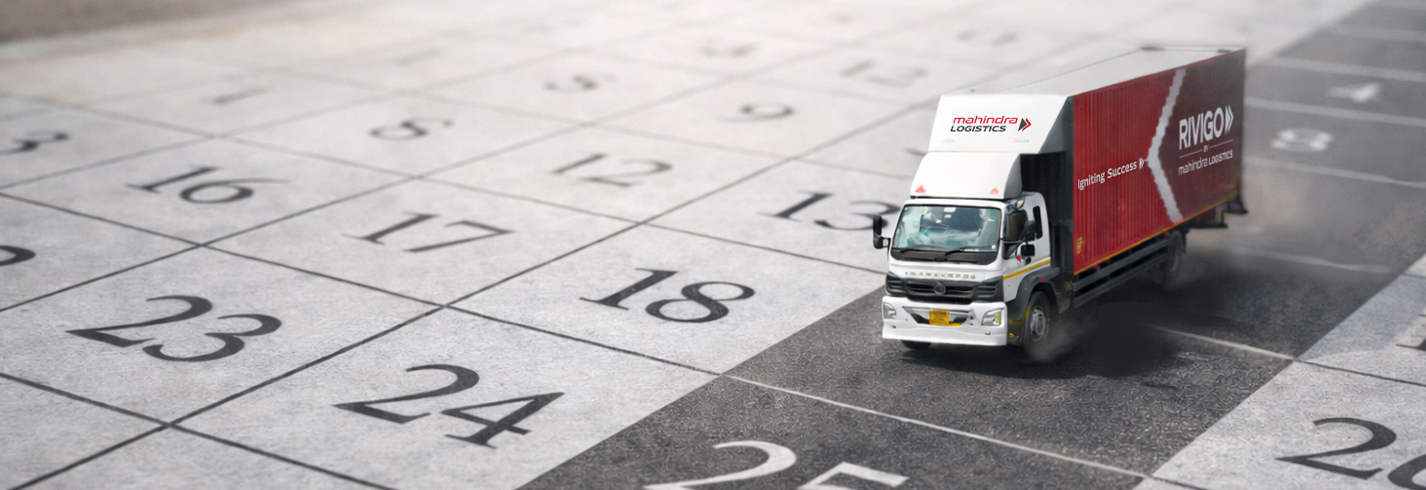
A consistent, committed timeline often protects operations more effectively than the fastest possible movement. This shift is also changing how express services are designed and measured, moving the focus from “earliest arrival” to “reliably on time.”
Fast delivery usually means minimising transit time, sometimes by using premium linehaul, priority handling at hubs, and aggressive cut-off times.
B2B supply chains depend on synchronised activities. Manufacturing lines schedule material consumption by shift, warehouses plan inbound staffing by appointment windows, and distribution centres prepare outbound waves based on when replenishment arrives.
When a network is managed only for speed, variability often increases. Shortest-time routing can depend on tight connections between hubs, limited recovery time between legs, or last-minute re-routing decisions during disruption. These approaches may look efficient on a good day, but they can miss commitments when weather, traffic restrictions, hub congestion, or capacity shortages occur.
Many enterprises are therefore shifting from “deliver as early as possible” to “deliver within the committed window with high certainty,” especially for lanes that feed production or high-throughput distribution operations.
Better Inventory and Warehouse Planning
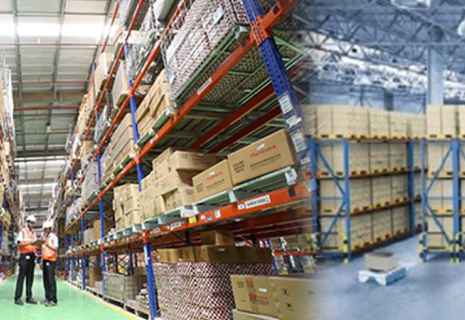
Accurate ETAs allow warehouses to schedule manpower, docks, and put-away waves with fewer last-minute changes. When arrivals become consistent, businesses can reduce safety stock without increasing service risk, because replenishment is no longer unpredictable. Predictability also helps improve space planning, since teams can stage and store goods based on planned flow rather than emergency handling.
Improved Transport Utilisation
Predictable timelines support better consolidation and capacity planning. This becomes particularly important when shippers depend on part truck load services, where hub schedules and departure discipline determine whether service commitments are met.
Stronger Customer Experience
In B2B relationships, consistent fulfilment is often more valuable than occasional fastest deliveries. Predictability becomes a measurable competitive advantage, especially when shipments support revenue-linked activities such as production output or customer order fulfilment.
Modern time-definite networks achieve predictability through structured design: hub-and-spoke architecture, fixed cut-offs, standardised scanning, and clearly defined service tiers.
Businesses should evaluate partners on on-time performance consistency, not only on advertised transit time. Transparent SLAs, lane-level reporting, and a clear claims and escalation process are practical indicators of maturity. Visibility should include meaningful milestones, not only a single “out for delivery” update, so that receiving teams can plan staffing and bays with confidence.
At Mahindra Logistics, we focus on designing time-definite networks that balance speed with repeatability. We build service commitments around structured operating processes. This approach supports long-term performance stability across geographies, including high-variation lanes and peak periods.
Fast delivery will remain important, but predictability is what improves operating efficiency and reduces total cost over time. When delivery timelines are stable, businesses can plan inventory, labour, and downstream dispatch with fewer contingencies. In the next phase of B2B logistics, excellence will be defined by committed windows, consistent performance, and transparent communication across the network.
To build a more predictable supply chain with time-definite B2B express and PTL solutions, connect with us at enquiries@mahindralogistics.com. and get a lane-level service plan tailored to your network.